This year at Gamescom I played Cronos: Lazarus demo twice. The first run was in the business area, and by the time I finished it I already knew I wanted to go for a second, more careful playthrough, so I went over to the entertainment area to do it again. That alone already tells you a lot about the expansion quality.
What Lazarus is
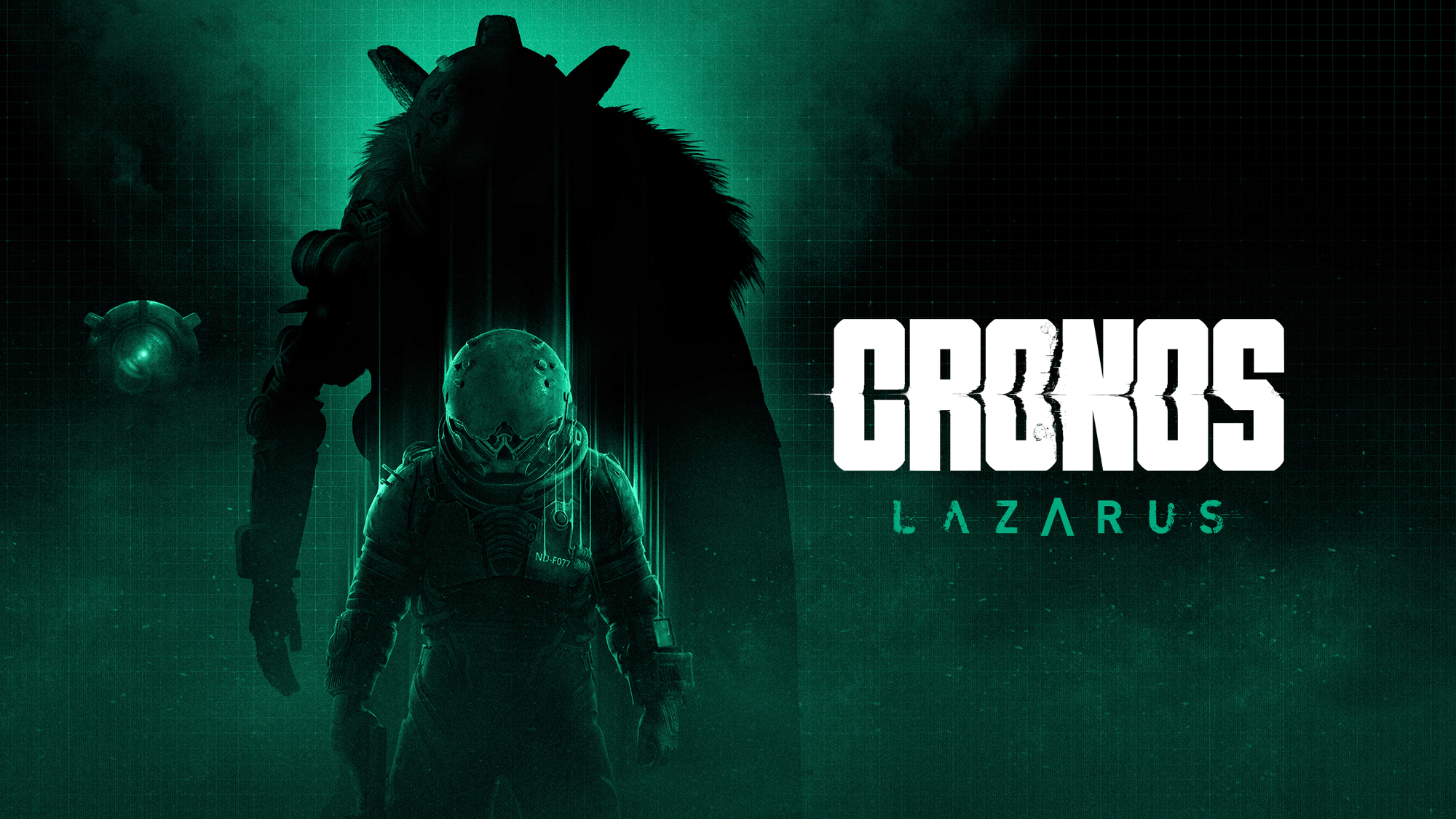
Cronos: Lazarus is the first story expansion for Cronos: The New Dawn. This time you are not the Traveler, you now play as Pathfinder, an elite agent of the collective who will eventually become the Warden, the character that many people remember from the original game. The story is set before the events of The New Dawn, the Pathfinder is cut off in the terminal, acting against the collective's orders, and trying to bring back a lost essence. The collective responds by sending a new kind of hunter after him, one that adapts and can match his strength. Bloober Team describes Lazarus as the missing piece of the Warden's backstory rather than a side chapter, and the tagline "Bring her back" says a lot about what drives him.
New gadgets change how you fight
The big change is that the Pathfinder has tools that Traveler never had. There is a teleport that moves you a short distance within an area, a decoy that leaves a ghost copy of you behind with a temporary invisibility, and a new melee weapon called the Gladius, a far deadlier version of the base game's dagger.
I liked the new abilities a lot. Teleport and decoy create many different ways to approach a battle. With teleport I could close the distance to enemies fast and engage them quickly instead of backing away and waiting for them to come to me. The character stops being someone who survives and starts being someone who hunts.
The decoy though is the one I have concerns about, since it felt a bit too overpowered. Maybe that is because the difficulty was tuned for gamescom, but the recharge seemed very quick, and I found I could leave a decoy, teleport away and simply skip some areas. It worked, but it felt like cheating. I hope the cooldown, or the way enemies react to the ghost, gets another look before release. When a get-out-of-trouble button comes back this quickly, some of the tension leaks out of the game.
Fights and bullets
Fights are fun, but still complicated. Between the teleport, the decoy, the Gladius and the guns there is a lot to manage at once. I enjoyed them a lot, especially on the second run, when I had a better feel for what each tool was for.
What I was glad to see is that the ammo economy survived the move to a faster pace. The bullet management system made me plan accurately and count every bullet, keeping shots only for the moments when they were really necessary. For me that was one of the most authentic parts of the original game, and it is still here.
Atmosphere, and the question of pace
The atmosphere is great. What I felt was loneliness mixed with longing and dread, all at once. I didn't want to rush, I wanted to live inside that atmosphere and go through the game slowly. Art, environment and creature design do so much of the work here, so I really felt as I was there.
On the other hand, I felt that the game now wants you to move faster. Bloober Team has said openly that Lazarus is a more aggressive, more combat-focused take on the formula, and after playing it I can confirm the pace has changed, which is a big change from the original game. But don't get me wrong, it still feels like a real authentic survival horror, even with all the gadgets, weapons and abilities you get to deal with enemies. The pressure is intact, you just have more ways to answer it.
Should you play it?
Overall, I have a really good feeling about the expansion. Those who liked the original game will definitely love this expansion. And those who felt the original was a little too slow may find that Lazarus is the version of Cronos that finally clicks for them. It keeps all the strong aspects of the original and adds a lot of great new things on top. The decoy balance is my only real complaint, but that is exactly the kind of thing that can change between an early demo and a final release build.